Key takeaways
- The Bureau of Economic Analysis releases July PCE inflation on Wednesday, Aug. 26, 2026, at 8:30 a.m. ET — the Federal Reserve’s preferred inflation gauge and the last major price print before Chair Kevin Warsh speaks at Jackson Hole on Friday.
- Consensus heading into the release: core PCE +0.2% month-over-month with the annual rate holding at 3.3%; headline PCE +0.1% m/m with the y/y rate easing from 3.7% to about 3.6%.
- July’s monthly core read is the trade: 0.3% or higher likely lifts September hike odds; 0.1% or below reinforces the hold camp after July’s 9–3 decision at 3.50–3.75%. NVIDIA earnings land the same evening — markets will trade both.
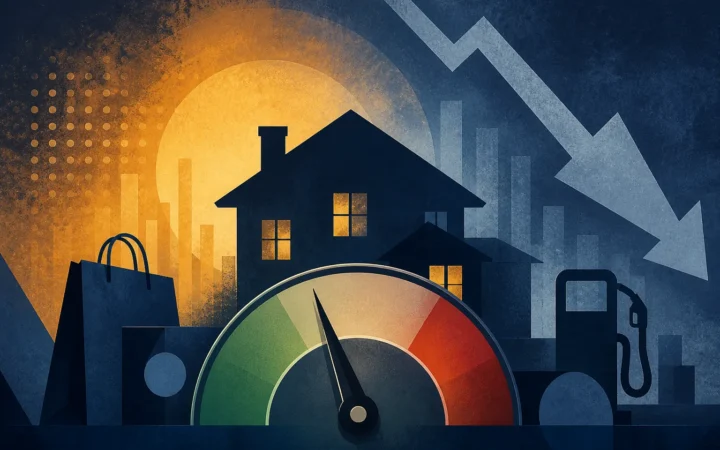
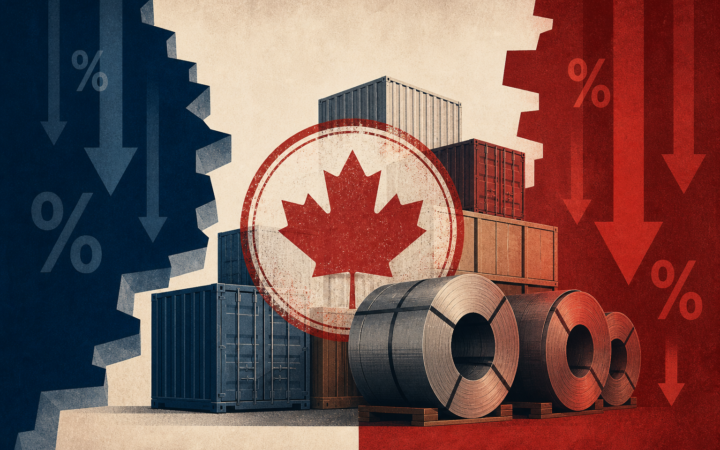
PCE inflation is the number the Federal Reserve targets — not CPI, not PPI, not a social-media screenshot. Wednesday’s July print lands in the most crowded macro week of late August: Treasury buybacks still reverberating in bonds, Iran sanctions moving oil, Canada tariffs moving autos, and NVIDIA about to tell you whether AI capex can coexist with sticky services inflation. The PCE report does not pick a winner. It tells you which side of the September FOMC argument gets fresh ammunition.
Why PCE inflation is the Fed’s gauge
The FOMC’s symmetric 2% objective is defined on the Personal Consumption Expenditures price index, specifically the headline and core (excluding food and energy) measures published by the BEA. Chair Warsh inherits the same framework Jerome Powell used: PCE gets less headline noise than CPI, adjusts for substitution when consumers trade down, and aligns with the national accounts that also produce GDP.
Markets care because the Summary of Economic Projections dots are anchored to PCE, July FOMC minutes cited May/June PCE levels when debating whether “further tightening is likely,” and September hike probability — now in the low-to-mid 30s after post-meeting repricing — will move on Wednesday’s monthly core figure before Warsh adjectives on Friday.
Official schedule: BEA release calendar. Fed inflation framework: Federal Reserve monetary policy.
When July PCE prints — Aug. 26 calendar
Wednesday, Aug. 26, 2026, 8:30 a.m. ET — BEA publishes the July Personal Income and Outlays report. Embedded in that release:
- PCE price indexes — headline and core, monthly and year-over-year
- July personal income and spending — real vs nominal consumption momentum
- Often bundled in the same morning window: second estimate of Q2 GDP, Q2 corporate profits, and July durable goods orders (confirm exact table times on the BEA site the morning of)
This is the last big inflation datapoint before the Fed’s blackout-adjacent window tightens ahead of the Sept. 15–16 meeting with new projections. August CPI does not land until Sept. 11 — between Jackson Hole and the vote — so July PCE is the clean pre-symposium read for policy makers who already saw hot July CPI headlines.
What economists expect for July
Preview tables across Aug. 21–24 coverage converge on roughly:
- Headline PCE m/m: +0.1% (vs +0.1% in June preview tables for that month)
- Headline PCE y/y: ~3.6% (down from 3.7% in June)
- Core PCE m/m: +0.2% (consensus cluster)
- Core PCE y/y: 3.3% (unchanged from June’s print)
Translation: economists expect disinflation to continue at the margin on headline energy math, but core services stickiness keeps the annual core rate more than a full percentage point above 2%. No consensus embeds a return to target this year — the fight is over whether monthly momentum is cooling fast enough to hold at 3.50–3.75% through September.
The threshold traders repeat: core m/m at 0.3% or above reopens serious September hike pricing; 0.1% or below strengthens the hold camp that already absorbed three dissents for +25 bp in July without joining them.
June baseline — the trend into July
June PCE (released late July) set the comparison base:
- Headline PCE y/y: 3.7% (down from 4.1% in May)
- Core PCE y/y: 3.3% (down from 3.4% in May)
July FOMC minutes referenced those levels while noting many participants saw hikes as likely if inflation fails to decline further. Energy supply shocks got blame in the July statement for part of the overshoot — July PCE will show whether services and shelter still dominate or whether gasoline relief pulled headline lower again.
Full dissent map and minutes reaction function: FOMC minutes July 2026.
How the FOMC reads a beat or a miss
July 29 vote: 9–3 hold at 3.50–3.75%. Hammack, Kashkari, and Logan wanted +25 bp. Markets initially priced September hikes near 60%; later data pulled odds to the low-to-mid 30s entering Jackson Hole week.
Wednesday’s PCE inflation print moves that probability before Warsh speaks:
- Hawkish surprise (core ≥0.3% m/m): front-end yields up, 2-year leads, growth multiples compress — relevant for AI-heavy indices even if NVIDIA beats revenue
- In-line (+0.2%): status quo — debate continues, Jackson Hole rhetoric matters more
- Dovish surprise (core ≤0.1%): September hike odds fade; gold and duration may bid if real yields slip — see gold price for the cross-asset setup into the week
Warsh’s Friday keynote is not a rate vote, but he will not ignore a hot PCE 48 hours earlier. Preview: Kevin Warsh Jackson Hole speech. Symposium primer: Jackson Hole 2026.
Long-end yields trade a different equation — fiscal supply and Treasury buybacks still dominate the 30-year even when PCE cools: 10-year Treasury yield, Treasury buyback August 2026.
The same-day stack: GDP, NVIDIA, Jackson Hole
Aug. 26 is deliberately overloaded:
- 8:30 a.m. ET: PCE inflation, income, spending; Q2 GDP second estimate and corporate profits in the BEA bundle
- After close: NVIDIA fiscal Q2 FY27 results — consensus near $92 billion revenue and ~$2.08 adjusted EPS; company guide was $91 billion ±2%
- Friday Aug. 28: Warsh Jackson Hole address ~8:00 a.m. ET
Markets will not treat these as independent draws. A hot core PCE plus hawkish NVIDIA guidance on data-center capex reinforces “higher for longer” for growth stocks. A soft core PCE plus strong AI revenue whispers “productivity offset” — the bull case Warsh’s task forces keep flirting with in speeches.
NVIDIA setup and what to watch on the call: NVIDIA Q2 FY27 earnings. Reports over the weekend flagged potential 15%+ AI server price hikes on memory costs — an inflationary capex signal that lands the same day as the Fed’s favorite disinflation gauge. The tension is the story.
PCE vs CPI — do not mix the indexes
CPI gets the headlines; PCE sets Fed policy. Common mistakes:
- Weighting: PCE puts less weight on shelter in some periods and captures different medical pricing — year-over-year levels routinely diverge by tenths
- Social Security COLA uses CPI-W, not PCE — do not paste July core PCE 3.3% into a January check estimate: Social Security COLA 2027
- Energy: July FOMC already blamed supply shocks for part of the overshoot — headline PCE will show gasoline math; core strips it for the policy signal
When Twitter posts a CPI chart under a “Fed decision” caption, check the acronym. Wednesday’s release says PCE on the BEA header or it is the wrong film.
What to watch in the BEA tables
Beyond the top-line core m/m:
- Core services ex housing — the stickiest PCE bucket; supercore proxies live here
- PCE housing / rent of shelter — lagged but heavy in core persistence debates
- Real PCE (consumption) — is demand holding while prices cool, or are real volumes softening?
- Personal income vs spending — savings rate shifts affect H2 growth narratives into the September SEP
- Corporate profits (Q2) — margin pressure from tariffs, energy, and wages feeds guidance into capex-heavy sectors
Desk checklist for Aug. 26:
- Core PCE m/m vs 0.2% consensus — first trade
- Headline y/y vs 3.6% — energy narrative check
- Q2 GDP revision — any surprise that rewrites H1 growth and rate path
- NVIDIA revenue vs $92B and Q3 guide — AI capex vs rates
- September hike odds on fed funds futures — before and after both prints
PCE inflation on Aug. 26 is the Fed’s last major pre-Jackson Hole datapoint with both monthly granularity and policy credibility. July’s core read is one tenth of a percent away from reopening a hike debate the Committee already had out loud in July’s 9–3 hold. Wednesday morning gives the number; Friday gives the adjectives; Sept. 16 gives the vote.
Economic data preview only. BEA revisions and consensus shifts before release. Not investment advice. Confirm bea.gov tables on publication day.